
 Anglais
 简体中文
简体中文
The Main Cooling Technologies Used in Wrist Wraps
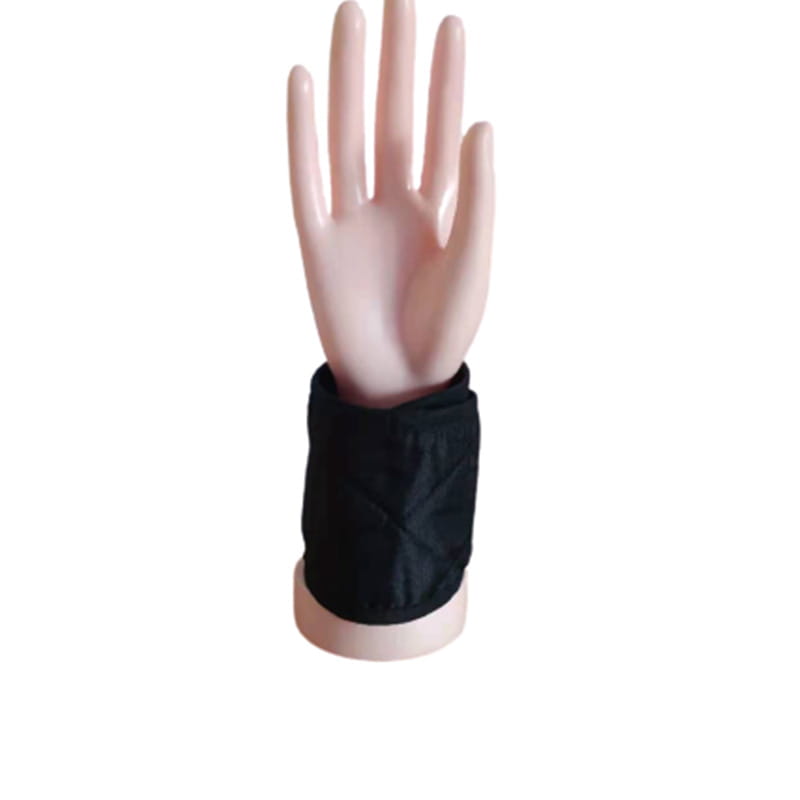
Before comparing specific products, it is worth understanding the four main cooling technologies used in cooling wrist wraps, because each one performs differently depending on your environment and intended use. The right technology for a marathon runner training in Arizona is not the same as the right technology for an office worker in a humid coastal city or a nurse managing hot flashes during a long shift.
Evaporative Cooling (PVA and Microfiber Fabrics)
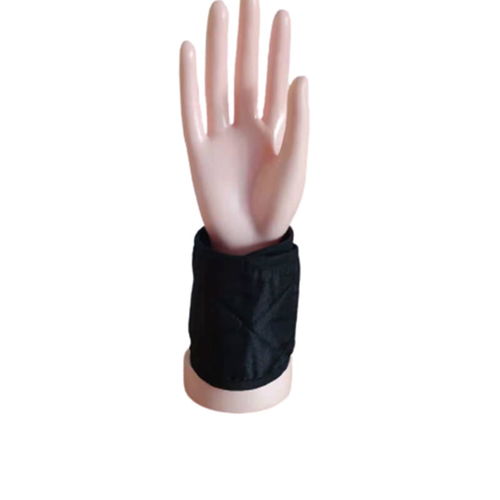
Evaporative cooling wrist wraps are the most widely available and affordable option. They are activated by soaking in water — typically cold tap water or ice water for a faster initial cool — and rely on the physics of water evaporation to draw heat from the skin. Polyvinyl alcohol (PVA) fabric retains water for longer than standard microfiber and tends to maintain cooling for several hours per soak in dry conditions. High-quality PVA cooling wraps can be reactivated immediately by re-soaking in water, making them essentially unlimited in use duration as long as water is available. They are lightweight, pack down small, and are the most practical option for day-long outdoor use when you have access to water. Their main limitation is reduced effectiveness in high humidity — in tropical or coastal conditions above 70–80% relative humidity, evaporation slows significantly and the cooling effect is noticeably weaker.
Gel Pack Conductive Cooling
Gel insert cooling wrist wraps use a pre-frozen flexible gel pack held in a fabric sleeve or pouch that sits against the inner wrist. These wraps deliver more intense cooling than evaporative types and work in any humidity level. The gel pack is typically frozen for 2–4 hours before use and provides 20–45 minutes of active cooling per session, depending on ambient temperature and pack size. Many designs allow the gel insert to be removed separately for freezing while the fabric sleeve is washed, which improves hygiene with repeated use. Gel pack wrist wraps are the preferred choice for post-exercise recovery, clinical use, and any situation where consistent, humidity-independent cooling is needed but where 30–40-minute cooling sessions are sufficient.
Phase Change Material (PCM) Cooling
Phase change material wrist wraps represent the premium end of the cooling wrap market. PCM inserts contain a substance — typically a specially formulated wax or salt hydrate compound — that absorbs a very large amount of thermal energy as it melts from solid to liquid at a precisely controlled temperature. Because the PCM maintains a constant temperature throughout the phase change process (rather than gradually warming like a simple ice pack), these wraps deliver a consistent level of cooling from the first minute to the last. PCM wrist wraps are significantly more expensive than gel or evaporative options but are favored by serious athletes, industrial safety professionals, and individuals who need reliable, humidity-independent cooling for extended periods. They are reset by re-freezing or, for higher-temperature PCM formulations, by cooling in ice water.
Instant Chemical Cold Pack Wraps
Some cooling wrist wraps are designed to be used with disposable instant cold packs — single-use pouches that generate cold through an endothermic chemical reaction when the inner pouch is broken. These are most commonly used in sports first aid kits and emergency situations where no freezer or water source is available. Instant cold pack wrist wraps are bulkier and heavier than other types and generate only a single use per pack, making them less practical for regular daily use. However, they are a useful addition to a first aid kit or go-bag for acute injury situations or emergency heat management.
Key Features to Compare When Choosing a Cooling Wrist Wrap
Once you have identified the cooling technology that fits your needs, there are several additional features worth comparing between specific products. The difference between a cooling wrist wrap that lasts one season and one that holds up for years of hard use often comes down to these details:
| Feature | What to Look For | Why It Matters |
| Closure System | Hook-and-loop (Velcro), snap, or slip-on | Adjustable closures ensure a secure, customized fit across different wrist sizes |
| Fabric Outer Layer | Moisture-wicking, quick-dry, anti-odor | Keeps the wrap comfortable against sweaty skin during activity |
| Wrist Coverage Width | 2–4 inches of wrist coverage | Wider coverage means more skin contact with the cooling surface and better effect |
| Weight | Under 100g per wrap for active use | Heavy wraps cause fatigue and discomfort during running or repetitive arm movement |
| Washability | Machine washable or hand washable | Critical for hygiene with regular athletic use; check gel insert removal |
| Size Range | Adjustable or available in S/M/L | Poor fit reduces cooling contact and can impede wrist movement |
| Latex Content | Latex-free option available | Important for users with latex sensitivity or allergy |
Cooling Wrist Wraps for Specific Sports — What Each Activity Needs
Different sports impose different demands on a cooling wrist wrap in terms of durability, fit security, range of motion, and cooling duration. A product that works perfectly for a marathon runner may be completely impractical for a rock climber or a golfer. Here is a sport-by-sport breakdown of what to prioritize:
Running and Triathlon
Runners and triathletes need cooling wrist wraps that are lightweight, secure under arm swing, and capable of sustained cooling over 1–4 hours or more. Evaporative PVA wraps are the standard choice for long training runs and road racing, where water stations allow periodic re-wetting. The wrap must have a secure, low-profile closure that does not bounce or flap during running, and the fabric should be quick-drying to avoid the chafing that can result from a soggy wrap rubbing against the wrist during the late miles of a marathon. For triathlon, consider a wrap that can be briefly re-soaked at transition areas and that dries quickly enough not to add noticeable weight drag.
Tennis and Racket Sports
Tennis players and racket sport athletes need cooling wrist wraps that do not interfere with grip, do not slide around during overhead strokes, and can absorb or wick away the sweat that naturally accumulates on the inner wrist during intense play. A slim-profile evaporative cooling wrap with a tight hook-and-loop closure is the practical choice. Many tennis players already wear sweat-absorbing wristbands and can transition to an evaporative cooling wristband of similar width without any change to their grip or feel. The wrap should not add bulk that alters the feel of the racket handle in the hand, and it should stay in place through repetitive serving and groundstroke motions without adjustment.
Cycling and Mountain Biking
Cyclists benefit from cooling wrist wraps that can be worn under cycling gloves or independently without interfering with brake lever and shifter operation. Because cyclists are generating their own airflow at speed, evaporative cooling wraps are highly effective for road cycling — the moving air across the wet wrap dramatically accelerates evaporation and cooling. For mountain biking and gravel riding where frequent hand repositioning is required, a slim, non-slip design that sits specifically over the pulse point at the inner wrist without wrapping around the palm is preferable to a wider design that could affect handlebar feel or glove fit.
CrossFit, Weightlifting, and Gym Training
For gym-based training, cooling wrist wraps need to coexist with the wrist support wraps that many strength athletes already use for heavy pressing and pulling exercises. Some products combine both functions — a supportive wrist wrap with an integrated evaporative cooling layer — but these tend to be bulkier and heavier than dedicated cooling-only wraps. A practical approach for gym use is to wear a dedicated cooling wrist band between sets and during rest periods, removing it for maximal-effort sets where wrist wrap support is needed. Gel insert wraps are a good option for rest periods between sets in a hot gym, providing intense cooling during recovery without the moisture that could affect grip on the barbell or kettlebell.
Golf and Outdoor Leisure Sports
Golfers and outdoor leisure sport participants typically prioritize comfort and cooling duration over athletic performance features. A wider evaporative cooling wrist wrap worn comfortably between shots provides sustained heat relief during a full 18-hole round. Because golf involves long periods of walking in direct sun between short bursts of intense activity, the sustained-duration cooling of a PVA evaporative wrap — potentially lasting through the majority of a round on a single soak — is well suited to this use case. Aesthetics matter more in this context than in hardcore athletic applications, so the range of colors and designs available in evaporative wrist cooling bands is a relevant consideration.
Cooling Wrist Wraps for Workplace Heat Safety
Occupational heat stress is a serious and increasingly recognized workplace safety issue. The Occupational Safety and Health Administration (OSHA) in the United States, along with equivalent bodies in other countries, identifies heat illness as a significant cause of worker injury and death, particularly in construction, agriculture, landscaping, roofing, and utility work. Cooling wrist wraps are an inexpensive, practical, and OSHA-compatible personal cooling tool that employers can provide as part of a broader heat illness prevention program.
For industrial and occupational use, the following additional considerations apply when selecting cooling wrist wraps:
- Durability for full-day use: Workplace cooling wraps need to withstand a full 8–10 hour workday, repeated wetting and wringing, exposure to dust and grime, and frequent washing. Look for reinforced stitching, robust closures, and fabrics rated for at least 50+ wash cycles without significant loss of cooling performance.
- Compatibility with PPE: Workers who must wear gloves, wrist guards, or long-sleeved protective clothing need cooling wraps that fit comfortably underneath or alongside their required PPE without creating pressure points or restricting movement. Slim-profile evaporative wraps are generally the best fit for use under gloves and PPE sleeves.
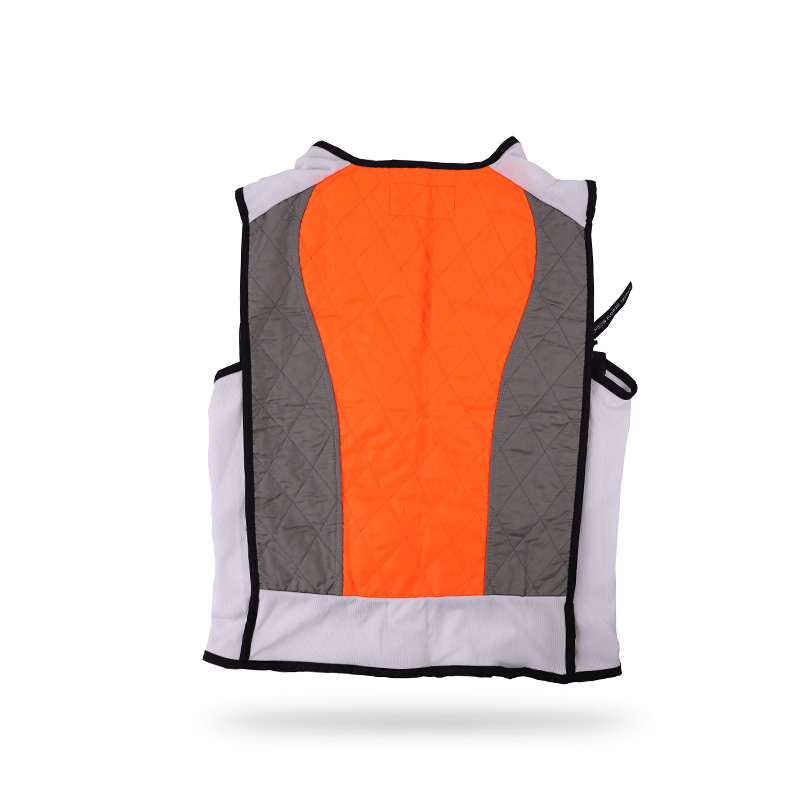
- High-visibility color options: Some workplace environments require or prefer high-visibility personal protective equipment. Cooling wrist wraps are available in high-visibility yellow and orange from some manufacturers, which helps maintain a consistent safety standard on the worksite.
- Ease of reactivation in the field: Workers in remote locations may not have access to cold water, only ambient-temperature water from a truck tank or jug. PVA evaporative wraps can be reactivated with water at any temperature and will still provide evaporative cooling, though initial cooling will be less intense than when soaked in cold water. This field-reactivation capability is an important practical advantage for construction and outdoor work applications.
How to Get the Most Out of Your Cooling Wrist Wraps
Even the best cooling wrist wrap will underperform if it is not used correctly. Here are the practical steps to maximize the cooling effect and lifespan of your wrist cooling wraps:
- Pre-soak evaporative wraps in ice water, not just cold tap water. Starting with the coldest possible activation temperature gives you a lower starting skin surface temperature and extends the effective cooling window before the wrap reaches ambient temperature. Even a few minutes in a bowl of ice water before applying the wrap makes a noticeable difference in initial cooling intensity.
- Position the cooling surface directly over the inner wrist pulse point. The cooling element of the wrap should sit centered over the radial pulse — the spot on the inner wrist where you would feel your heartbeat with two fingers. This is where the radial artery is most superficial and where conductive or evaporative cooling has the greatest impact on blood temperature. A wrap positioned on the outer or upper wrist misses this target entirely.
- Use both wrists simultaneously for maximum effect. Cooling one wrist provides meaningful benefit, but cooling both wrists doubles the arterial surface area being cooled and produces a significantly greater reduction in perceived core temperature. If you only have one wrap, rotate it between wrists every 10–15 minutes for more balanced cooling.
- Reactivate evaporative wraps before they dry out completely. PVA and microfiber wraps lose their cooling effect gradually as they dry. Do not wait until the wrap feels completely dry and warm to re-wet it — reactivate it while there is still some moisture remaining, which reduces the re-soaking time needed and maintains more consistent cooling throughout your activity.
- Store gel insert wraps in the freezer between uses, not the refrigerator. Gel inserts stored in a refrigerator (at approximately 37°F / 3°C) are cold but not frozen, and will warm up to skin temperature within minutes of application. Storing inserts in the freezer ensures they are at or below 32°F (0°C) at the start of use, providing maximum cooling duration per session.
- Rinse and air-dry evaporative wraps after every use. Salt from sweat and minerals from tap water accumulate in the fabric of evaporative cooling wraps over time, reducing the fabric's water absorption capacity and causing odor. Rinse the wrap thoroughly in clean water after each use, wring gently, and hang to air dry fully before rolling up for storage. A full wash with mild soap once or twice a week under regular use keeps the wrap performing at its best.

 3e étage, East Gate, n ° 2599 Park Road, Sheng Ze Town, district de Wu Jiang, City Suzhou, province du Jiangsu
  +86-0512-63519080
 + 86-13584404311
  FQsales1@163.com